
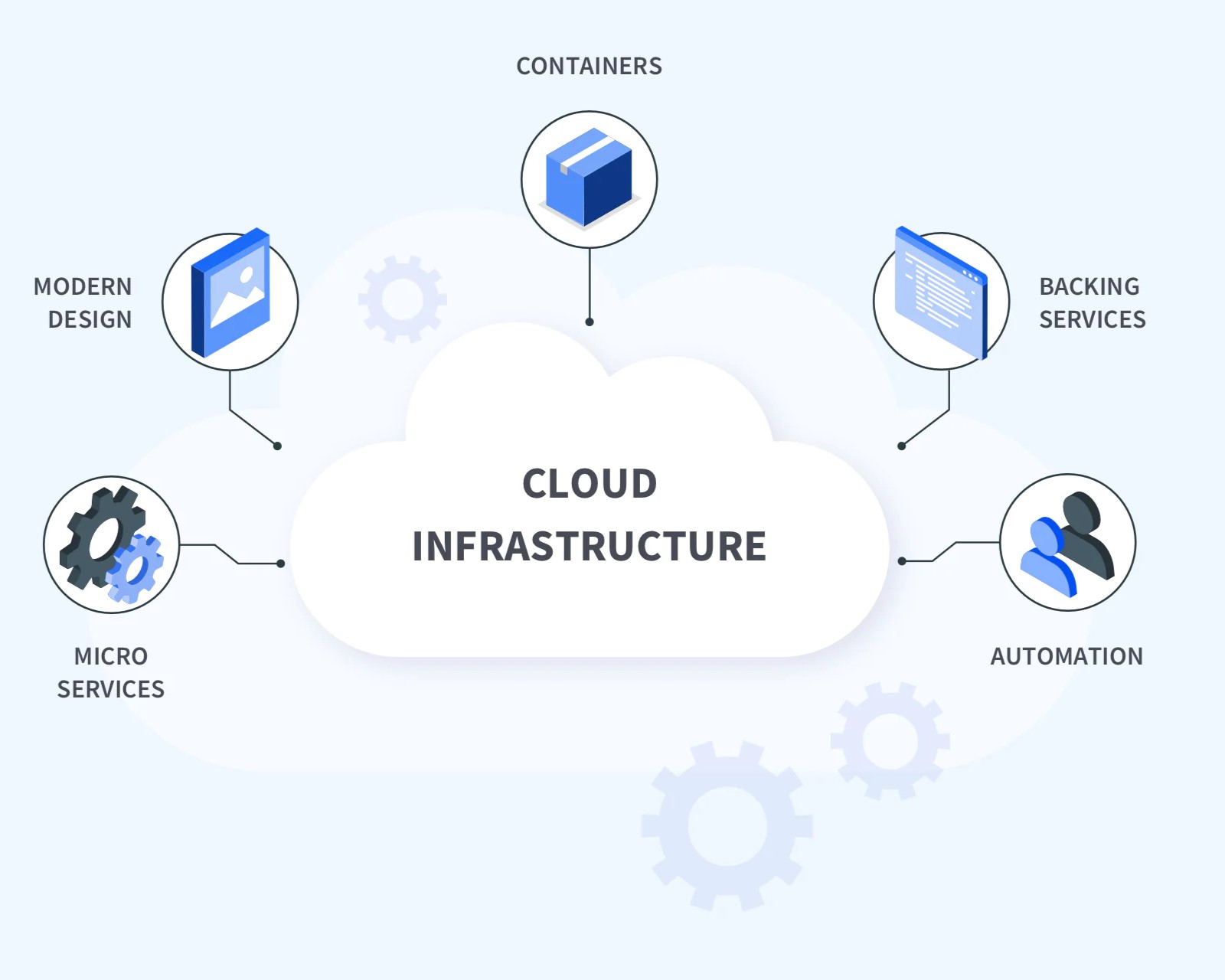
Description
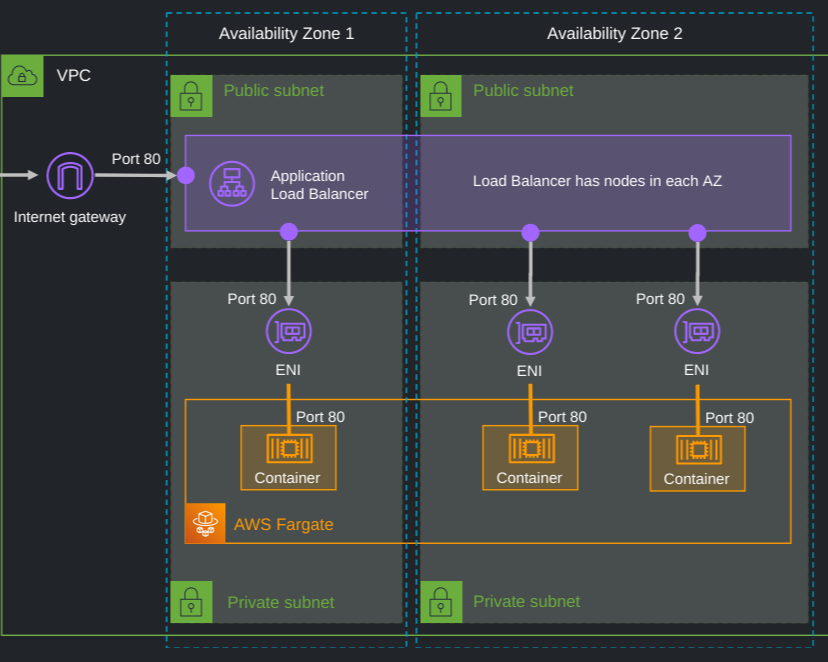
A Cloud-native Microservices Framework is a development platform designed to help organizations build, deploy, and manage applications composed of independently deployable services. Unlike monolithic architectures, microservices frameworks break down applications into smaller, self-contained components that communicate via APIs, enabling agility, scalability, and rapid innovation. Built on cloud-native principles, these frameworks integrate seamlessly with containerization technologies such as Docker and orchestration platforms like Kubernetes. Each microservice can be developed, deployed, and scaled independently, allowing teams to adopt continuous delivery and iterative development practices. Cloud-native microservices frameworks provide core features such as service discovery, API routing, load balancing, distributed logging, and resilience patterns (like circuit breakers and retries) to ensure high availability and fault tolerance. Developers can use multiple programming languages and frameworks within the same application, fostering flexibility and technological diversity. Advanced frameworks also include built-in observability tools, enabling monitoring, tracing, and debugging across distributed systems. Integration with CI/CD pipelines and DevOps toolchains ensures consistent deployments and automated rollbacks. These platforms often provide centralized configuration management and secret handling for enhanced security. Cloud-native microservices frameworks empower organizations to modernize legacy applications, reduce deployment risk, and improve time-to-market for new features. In an era where scalability and agility define competitive advantage, microservices frameworks are foundational for building resilient, modular, and future-ready digital ecosystems.
Jude –
“Cloud-native Microservices Framework has truly streamlined our development process and allowed us to build applications with unprecedented speed and agility. The modular nature of the framework has made it much easier to manage and update individual services without impacting the entire system. We have seen a significant improvement in our application’s scalability and resilience since adopting this framework, and its seamless integration across different cloud environments has been a major advantage. It’s been a fantastic experience.”
Sadiat –
“Our team has been incredibly impressed with the Cloud-native Microservices Framework. The move to this framework has significantly streamlined our development process, allowing us to build and deploy applications with greater speed and agility. The modularity it offers makes it easy to update and scale individual services without impacting the entire system, which has vastly improved our application’s resilience. Integrating across different cloud environments was seamless, proving the framework’s flexibility and adaptability, and it has absolutely helped us to achieve better resource utilization and cost efficiency.”
Mamuda –
“Our team’s adoption of the Cloud-native Microservices Framework has been a truly positive experience. We were initially struggling with monolithic applications and slow deployment cycles.The framework’s modular design allowed us to break down our complex application into manageable, independent services, leading to significantly faster development and deployment times. Scaling has become much simpler, and the improved fault isolation ensures greater resilience. The seamless integration across our cloud environments has also streamlined our operations. Overall, this framework has empowered us to build and maintain robust, scalable applications with increased efficiency.”
Lawal –
“Adopting the Cloud-native Microservices Framework has revolutionized our software development process. We were struggling with monolithic applications that were difficult to update and scale, but this framework empowered our teams to build independent services that integrate effortlessly. The modularity has significantly improved our development speed and allows us to deploy updates without disrupting other parts of the system. Our applications are now more resilient and scalable than ever before, perfectly aligning with the demands of our rapidly growing user base. This framework is truly a powerful asset for any organization seeking to modernize their application architecture and embrace cloud-native principles. “
Moses –
“Adopting the Cloud-native Microservices Framework has been instrumental in modernizing our application architecture. The modularity it provides has significantly improved our development velocity, allowing us to deploy new features and updates much faster. ‘The framework’s inherent scalability and resilience have also boosted our application’s performance and stability, ensuring a consistently positive user experience. The seamless integration across various cloud environments has further simplified our operations and reduced infrastructure management overhead. We are extremely pleased with the results and the positive impact it has had on our business.”